Let's discuss your app idea with our experts!

The best app ideas for startups in 2026 are the ones that solve a specific, high frequency problem, can be launched as an MVP within 90–120 days, and have a clear path to monetization. At Intelegain, we consistently see early stage founders struggle not because they lack ideas, but because they choose concepts that are too broad, too costly to validate, or misaligned with real user demand. The most successful ideas are focused, executable, and grounded in real market behaviour.
Launching an app in 2026 is easier than ever – but choosing the right idea has never been more complicated. With rising competition and evolving user expectations, the best startup ideas today are not the most innovative – they’re the most practical, focused, and fast to validate. This guide not only lists high-potential app ideas across industries but also explains how founders should evaluate which ideas are worth building.
How can founders select the right business app idea?
Before committing to any app idea, founders should validate four fundamentals:
- User clarity – Who exactly is the end user?
- Problem depth – Is the problem painful and frequent enough to monetize?
- Speed to market – Can an MVP be launched in 90–120 days?
- Revenue logic – Who pays, why, and how often?

AI-Powered App Ideas for Startups
1. Agentic AI Business Automator
An AI-powered autonomous agent that independently executes repetitive business workflows – without human intervention. From approvals and reporting to customer communication and data management, the app automates everything.
Why it works: Organizations lose significant time every year to inefficient, low-value manual processes. An agentic AI overcomes this problem. It thinks, decides, and acts on its own. It doesn’t just save time – it removes the bottleneck entirely, letting teams focus on work that actually moves the needle.
Monetisation angle: SaaS subscription model with tiered pricing (basic, pro, enterprise) based on workflow volume, integrations, and team size.
2. Agentic AI Personal Lifestyle Manager
An autonomous AI agent that proactively manages your daily life – scheduling appointments, tracking fitness goals, monitoring spending, and curating personalised routines – all without you having to ask twice.
Why it works: People are overwhelmed by the mental load of managing their own lives. An AI that does not just suggest but actually acts – books, adjusts, reminds, and optimises – fills a gap no productivity app has truly solved yet.
Monetisation angle: Freemium model with premium tiers unlocking deeper integrations across health, finance, and calendar platforms.
3. AI Chatbot for HRMS
Switching between systems to apply for leave or raise an IT ticket is the kind of friction that adds up quietly. Professr AI by Intelegain puts all of it inside Microsoft Teams – one familiar interface, one conversation, and everything from HR requests to support queries handled without anyone having to go looking for the right tool.
Why it works: HR tasks are rarely complicated. They are just scattered across systems nobody enjoys dealing with. Putting everything into one familiar, conversational interface means employees actually use it. That way, HR teams spend less time fielding the same questions on repeat.
Monetisation angle: SaaS subscription per organisation, enterprise licensing for large workforce deployments, and custom integration packages for businesses running their own HRMS systems.
AI innovative web/mobile app ideas succeed fastest when founders start with a single intelligent workflow instead of trying to build an entire ecosystem from day one. The winning approach is narrow, focused, and solves one repeatable problem extremely well.
4. AI Compliance & Policy Automation App
Compliance work is one of those things that never feels urgent until it suddenly is. This app tracks regulatory changes, flags gaps before they become problems, and handles the reporting that usually piles up on someone’s desk at exactly the wrong time.
Why it works: Most compliance failures happen not because businesses do not care but because staying on top of it manually is genuinely unsustainable. An app that does that quietly in the background removes a risk nobody can afford to ignore.
Monetisation angle: SaaS subscription based on company size, enterprise licensing for regulated industries, and premium audit features for legal and finance teams.
5. AI Hiring & Talent Intelligence Platform
Sorting through hundreds of applications to find five worth calling is nobody’s idea of a good use of time. This platform does heavy lifting early. It surfaces the right candidates, flagging strong fits, and gives hiring teams the clarity to make decisions they actually feel confident about.
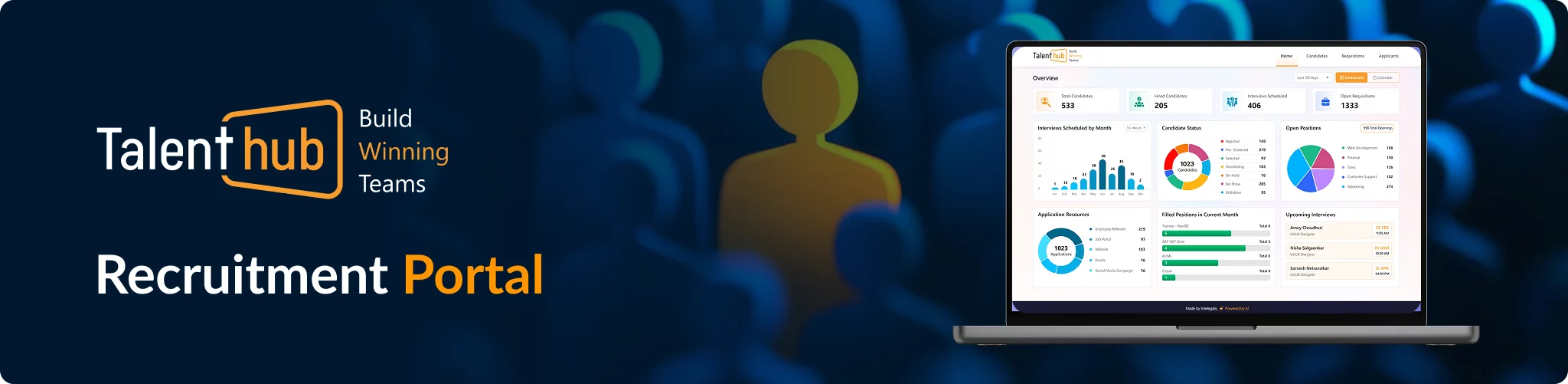
Platforms like TalentHub are already showing what this looks like in practice, bringing AI-driven screening and smart scheduling into a single hiring workflow that actually makes sense.
Why it works: Most hiring is slower and more instinct-driven than it needs to be. Bringing real intelligence to that process does not just speed things up – it quietly raises the bar on who ends up getting hired.
Monetisation angle: Per-seat subscription for HR teams, enterprise plans for high-volume recruitment, and premium talent analytics for workforce planning.
FinTech Industry App Ideas
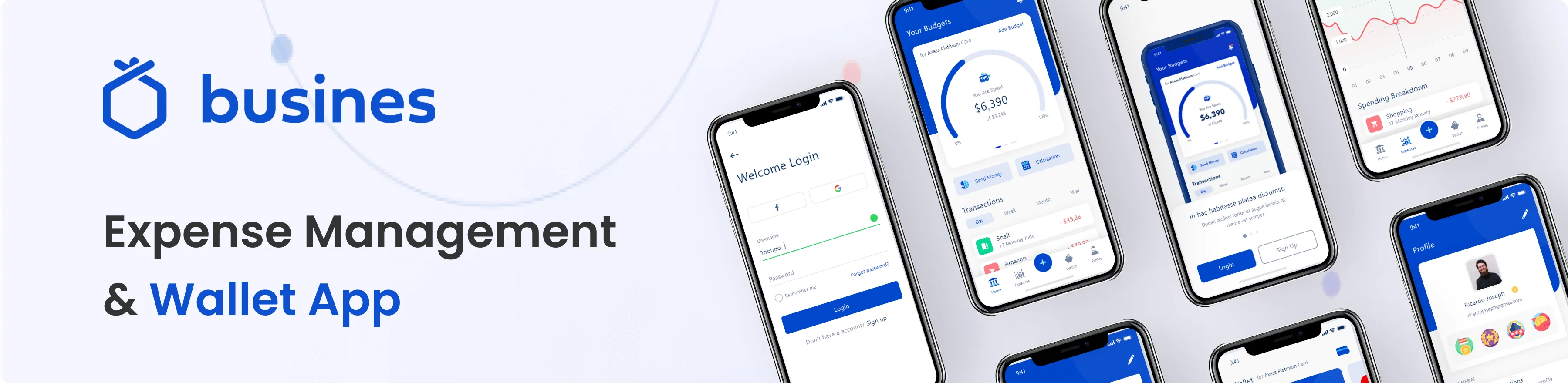
6. AI-Powered Personal Finance & Budgeting App
A proactive finance companion that simplifies expense tracking, automates categorisation, creates smart budgets, and anticipates financial risks before they arise.
Why it works: Most people know they should budget. Few actually do. An AI that does the heavy lifting silently in the background removes the friction entirely and turns financial discipline into a habit.
Monetisation angle: Freemium model, premium insights subscription, and embedded financial product recommendations based on spending patterns.
7. Wealth & Asset Management App
An AI-powered app, used for tracking investments, analysing portfolios, and delivering personalised wealth-building strategies – all in one place.
Why it works: In the past, managing wealth meant relying on a financial advisor. Today’s users want real-time visibility, smart nudges, and actionable insights at their fingertips, without the fees.
Monetisation angle: Subscription tiers, advisory partnerships, and commission-based investment product recommendations.
8. UPI Payment App
UPI has evolved well beyond basic money transfers. They enable instant cross-border payments, AI-powered spend analytics, and credit line integration. Besides, they also support merchant loyalty programs and voice-activated transactions, all within a single platform.
Why it works: UPI already handles more than 17 billion transactions every month in India, proving its reliability as it scales globally. Next, we build intelligent, personalised experiences on this proven foundation, thus creating new opportunities for users, merchants, and enterprises.
Monetisation angle: Earnings are driven through transaction charges, merchant subscription tiers, integrated financial offerings, and data-driven cross-sell potential.

According to Intelegain, successful FinTech MVPs begin with early compliance and secure data practices. Scalable apps solve one core financial use case instead of attempting to cover multiple functions at once. If you are building in FinTech, starting right matters more than starting fast – and that is exactly where our experts come in.
9. Loaned Money Tracking App
This app is perfect for friends planning an outing together because it can keep track of who owes them money and how much. All you have to do when a group decides on something in advance (like concert or restaurant reservations) but there’s not enough time before the event so that everyone has paid up front-is use this App!
10. Subscription Alert App
Smart finance made simple: track subscriptions, flag unused ones, predict renewals, and cut or renegotiate before money slips away.
Why it works: 89% of consumers underestimate their subscription spending (West Monroe), and the actual figure is 2.5 times what they think they are paying (C+R Research). With app-based subscriptions multiplying every year, a tool that brings complete visibility and control addresses a pain point that hits every household and business equally.
Monetisation angle: Freemium model with premium features for deeper bank integrations, savings reports, and automated cancellation assistance.
11. Vehicle Insurance App
Simplify insurance with AI: compare policies instantly, get tailored coverage, file claims, track in real time, and never miss a renewal – all through a single app.
Why it works: Insurance is still one of the most frustrating, paperwork-heavy experiences for vehicle owners. An app that removes the friction, speeds up claims, and puts the user in control addresses a pain point that millions deal with every single year.
Monetisation angle: Commission-based insurance partnerships, premium features for claim assistance, and data-driven upsell opportunities based on vehicle and driver profiles.
Plan a secure, compliant FinTech MVP with our experts.
Retail Web/Mobile App Ideas For Startups
12. AI-Powered Retail Personalisation App
Nobody enjoys scrolling through hundreds of products that have nothing to do with what they actually want. This app pays attention to what customers browse, buy, and skip and uses that to surface the right products, the right offers, and the right price at exactly the right moment.
Why it works: Generic retail experiences are losing ground fast. Shoppers have too many options to stay loyal to a store that does not feel like it knows them. An app that gets personalisation right does not just improve conversions, it builds the kind of habit that keeps people coming back.
Monetisation angle: SaaS subscription for retailers, commission on AI-driven conversions, and premium dynamic pricing and analytics features.
13. Omnichannel Retail Management App
Running a retail business across a website, a physical store, and three marketplaces simultaneously is a logistical headache most growing businesses know all too well. This app pulls everything into one place, including inventory, orders, customer data, and performance – so nothing falls through the cracks, and nobody is working off outdated numbers.
Why it works: The businesses losing sales today are not losing them because of bad products. They are losing them because their systems cannot keep up with how their customers actually shop. A single source of truth across every channel fixes that quietly but meaningfully.
Monetisation angle: Tiered SaaS subscription based on sales volume, enterprise plans for large retail operations, and premium analytics add-ons for multi-location businesses.
14. AI Visual Search & Try-Before-You-Buy App
Finding a product you saw somewhere but cannot quite describe is one of those small frustrations that ends in giving up. This app lets users search with an image instead of words – and for fashion, accessories, or home décor, it goes further, letting them try things on or place them in their space before committing to a purchase.
Why it works: The gap between seeing something and buying it has always been uncertainty. An app that lets people see exactly how something looks on them or in their home before it arrives removes the biggest reason people hesitate at checkout.
Monetisation angle: Retailer integration fees, commission on purchases made through visual search, and premium AR try-on features for fashion and home décor brands.
Build the Future with Retail App Ideas for Startups.
FoodTech Innovative App Ideas for Startups
15. AI Food Delivery App
This app leverages AI to learn user preferences and dietary habits to deliver hyper-personalised meal recommendations. It optimises delivery routes and helps restaurants anticipate demand in real time.
Why it works: Consumers want more than fast delivery – they want it to feel personal. AI makes it possible by bringing that intelligence layer, which generic delivery apps cannot match.
Monetisation angle: Restaurant commissions, premium subscriptions for priority delivery, and personalised in-app promotions.
16. AI-Powered Restaurant Revenue Optimization Platform
This system is driven by AI that spots sales patterns, predicts peak hours, adjusts menu pricing dynamically, and cuts food waste with intelligent inventory planning.
Why it works: Most restaurants operate on razor-thin margins with zero visibility into what is driving or draining revenue. AI transforms operational data into decisions that deliver measurable results.
Monetisation angle: SaaS subscription tiers based on restaurant size, and performance-based pricing tied to measurable revenue improvements.
17. Food Inventory & Waste Tracking App
This app monitors food stock in real time, flags expiring inventory, and predicts restocking needs. Plus, it tracks waste patterns to help businesses cut losses before they happen. It does so by harnessing AI.
Why it works: Food waste remains one of the most significant hidden expenses in restaurants and hospitality. Most businesses only see the damage after it has already happened. Real-time visibility changes that entirely.
Monetisation angle: SaaS subscription plans based on outlet size, and premium analytics for multi-location chains and cloud kitchens.
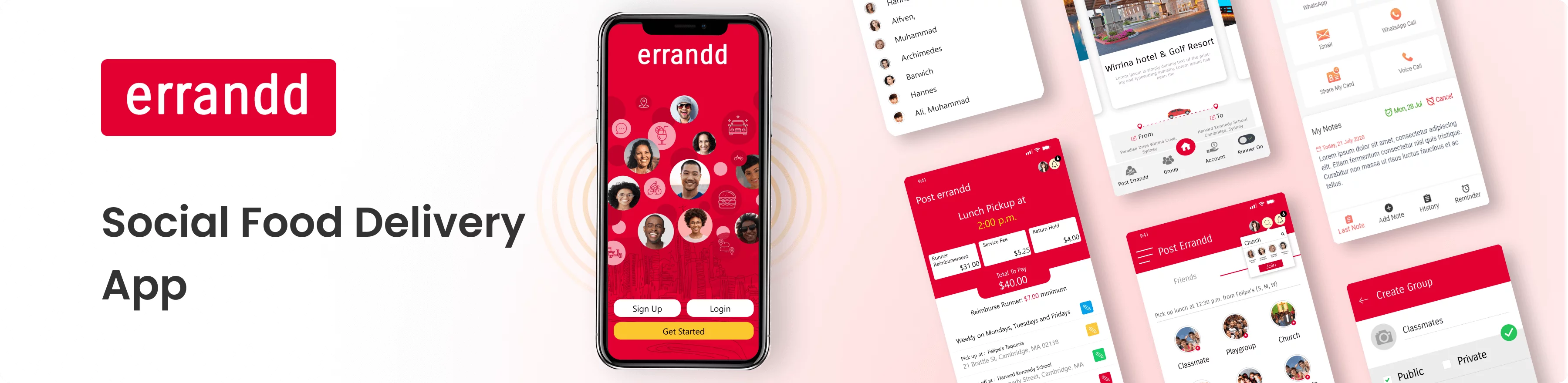
18. Social Food Delivery App
Satisfy your cravings while supporting local businesses with a social food delivery app. Discover a wide range of culinary delights from nearby restaurants and food vendors. Engage with a community of food enthusiasts, share recommendations, and enjoy exclusive deals.
Why it works: People trust food recommendations from friends more than algorithms. A social layer integrated with delivery lets users share orders, reviews, and group meals, fostering community-driven engagement that encourages loyalty.
Monetisation angle: Restaurant partnerships, group order commissions, and premium features for shared meal planning and split billing.
19. AI Voice & Chat Food Ordering App
An intelligent app where users can order meals via voice commands or chat. An AI assistant facilitates this through understanding preferences, remembering past orders, and completing the entire transaction without a single tap.
Why it works: Typing through menus is friction nobody wants. Voice and chat ordering removes that barrier entirely, making the experience faster, more natural, and accessible to a far wider audience, including non-tech-savvy users.
Monetisation angle: Restaurant listing fees, commission per order, and premium AI assistant features for personalized dietary tracking and reorder automation.
20. Menu Personalization App
Imagine menus that adapt to you, shaped by your tastes, restrictions, past orders, and real-time ingredient availability. With AI behind the scenes, every recommendation feels personal and timely.
Why it works: A generic menu is a missed opportunity. When the menu adapts to the person browsing it, conversion rates go up, order values increase, and the overall dining experience feels genuinely tailored.
Monetisation angle: Restaurant SaaS subscription, premium personalisation features for chains and cloud kitchens, and data-driven upsell opportunities through intelligent menu recommendations.
21. Restaurant Reservation App
An app that lets diners book tables, choose preferred seating, and schedule dining experiences in advance. At the same time, it gives restaurants full visibility into covers, cancellations, and peak-hour demand.
Why it works: Walk-in culture is fading. Diners want certainty and restaurants want predictability. An app that bridges both sides of that equation removes friction for the guest and operational chaos for the kitchen.
Monetisation angle: Per-reservation fees, restaurant subscription plans, and premium features for waitlist management and automated reminders.
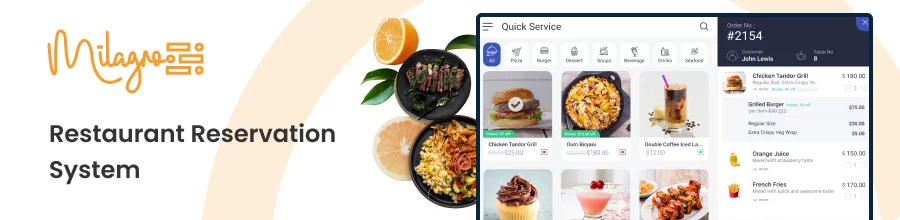
22. Restaurant POS Application
A smart, cloud-based POS system that manages orders, tracks real-time sales, handles split billing, integrates with kitchen display systems, and generates detailed performance reports – all from a single interface.
Why it works: Outdated POS systems slow down service, create billing errors, and offer zero business intelligence. A modern, cloud-based POS does not just process payments – it runs the entire front and back of house intelligently.
Monetisation angle: Monthly SaaS subscription based on outlet size, hardware bundling partnerships, and premium add-ons for analytics and loyalty programme integration.
At Intelegain, we believe FoodTech success comes from getting personalisation and logistics right early. The best apps are built on strong recommendation engines and efficient delivery systems – not overloaded features. If you have a FoodTech idea that deserves to move fast, our team knows exactly where to start. Let’s build it.
23. Food Recommendation App
This app uses AI to suggest meals, restaurants, and cuisines based on user preferences, location, mood, dietary habits, and past behaviour – making the daily “what should I eat” decision effortless.
Why it works: Food discovery is broken. Users scroll endlessly through options that do not match what they actually want. An app that genuinely understands taste and context solves a problem millions face every single day.
Monetisation angle: Restaurant listing fees, affiliate commissions on orders placed, and premium subscription for hyper-personalised recommendations and exclusive deals.
24. Food Donation App for Restaurants
Every night, restaurants throw away food that could feed hundreds. This app makes sure surplus meals never go to waste, connecting kitchens directly with NGOs, shelters, and food banks through real-time pickup coordination.
Why it works: Restaurants want to give back but do not have the time or systems to make it happen consistently. This app turns a good intention into a seamless daily habit – one that benefits communities and builds brand goodwill at the same time.
Monetisation angle: NGO partnership subscriptions, CSR-driven B2B plans for restaurant chains, and premium impact reporting features for brands that want to showcase their social contribution.
Explore how fast you can launch your FoodTech MVP.
Health & Wellness App Ideas for Startups
25. AI Mental Health Companion
Some days you just need someone to talk to. This AI companion listens without judgement, responds with empathy, and shows up every single time. No need for appointments, no waiting rooms, no awkward silences.
Why it works: Mental health support should not depend on availability, affordability, or the courage to ask – an AI companion removes all three barriers at once.
Monetisation angle: Freemium model, premium subscription for unlimited sessions, and B2B plans for corporate employee wellness programmes.
26. Skincare App
Your skin changes every day; your skincare routine should too. This AI-powered app scans your skin, reads the signals, and builds a routine that actually works for your face, your lifestyle, and your environment.
Why it works: Skincare is deeply personal yet most people are guessing. An app that replaces trial and error with precise, data-driven recommendations earns trust fast and keeps users coming back consistently.
Monetisation angle: Freemium model with a premium routine builder, affiliate commissions on product recommendations, and B2B partnerships with skincare brands for targeted in-app promotions.

27. Fitness App
Most people do not quit fitness because they lack motivation. They do so because their plan was never built for them. This AI-powered app creates personalised workout routines, tracks progress in real time, and adapts as the user gets stronger, busier, or changes their goals entirely.
Why it works: Generic fitness plans fail generic people. This app adapts to each user, tailoring intensity, syncing with daily routines, and marking real achievements. The result is motivation that evolves into long-term consistency.
Monetisation angle: Freemium model with premium plans for advanced training programmes, B2B corporate wellness subscriptions, and in-app partnerships with fitness equipment and nutrition brands.
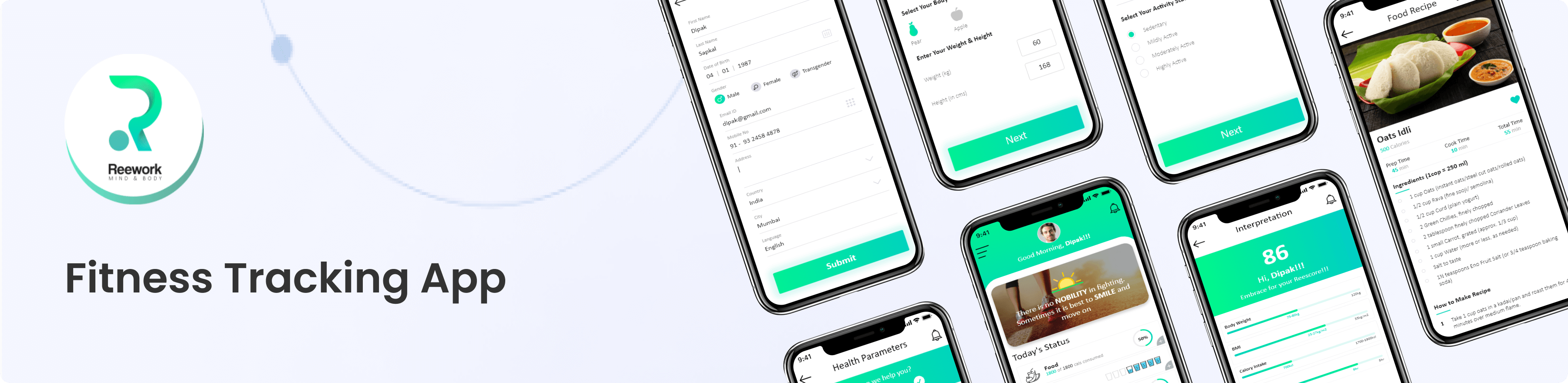
28. Health Check-up & Food Planner App
Millions of people struggle to maintain a healthy lifestyle simply because the right tools aren’t easily accessible. A well-designed app can change that – bringing together curated recipes from professional chef-bloggers tailored to specific health conditions, day-by-day health tracking, personalized food recommendations, and seamless grocery ordering, all in one place.
We design and develop apps like these that make wellness intuitive, engaging, and truly personal – so your users stay motivated and your product stands out in a growing market.
Why it works: Health and food are deeply connected, yet most apps treat them separately. An all-in-one platform that links what you eat to how you feel gives users something genuinely useful and keeps them coming back every single day.
Monetisation angle: Freemium model with premium health plans, affiliate commissions on grocery orders, and B2B partnerships with nutritionists, dieticians, and health insurance platforms.
29. Consult a Doctor App
This app lets you consult doctors who are on the app. You can ask questions and get responses from doctors, get the latest updates from the field of medical science, and even book an appointment with the doctor.
Why it works: Getting to a doctor is still one of the most friction-heavy experiences in everyday life – long waits, limited availability, and geography all get in the way. An app that puts a qualified doctor one tap away makes healthcare feel less like a chore and more like a right.
Monetisation angle: Per-consultation fees, premium subscription for unlimited doctor access, and B2B plans for corporates offering healthcare benefits to employees.
Intelegain suggests that HealthTech apps succeed when trust is built from the start. The most effective solutions focus on accuracy, consistent engagement, and compliance rather than overwhelming users with complex dashboards. Building that trust into the product from day one is a conversation worth having early, and our product specialists are ready for it. Let’s connect.
30. Water-reminder App
Drinking more water can prevent the most type of lifestyle disorders. With this app you are sure to drink the required amount every day.
Discuss your HealthTech idea with our product specialists.
EdTech Unique App Ideas
31. Language Learning App
Learning a new language should feel like a conversation, not a classroom. This AI-based app adapts to the learner’s pace, corrects pronunciation in real time, builds personalised lesson plans, and keeps users engaged through interactive challenges that actually make progress feel visible.
Why it works: Most language apps lose users within a week because they feel repetitive and impersonal. An AI that genuinely adapts to how someone learns – their speed, their gaps, their goals – makes the difference between giving up and becoming fluent.
Monetisation angle: Freemium model with premium fluency tracks, B2B corporate plans for global teams, and partnerships with language certification bodies for in-app exam preparation.
32. Corporate Training App
No more generic one-size-fits-all training modules that exist only for completion’s sake. This AI-powered app delivers personalised learning paths, tracks skill gaps across teams, and turns corporate training into something people actually want to engage with.
Why it works: Most corporate training fails not because the content is bad but because it is never built for the individual. An app that adapts to each employee’s role, pace, and learning style turns training from a checkbox exercise into a genuine performance driver.
Monetisation angle: Think team-based pricing, premium content partnerships with industry experts, and advanced analytics add‑ons designed to give HR and L&D leaders a clear view of employee development.
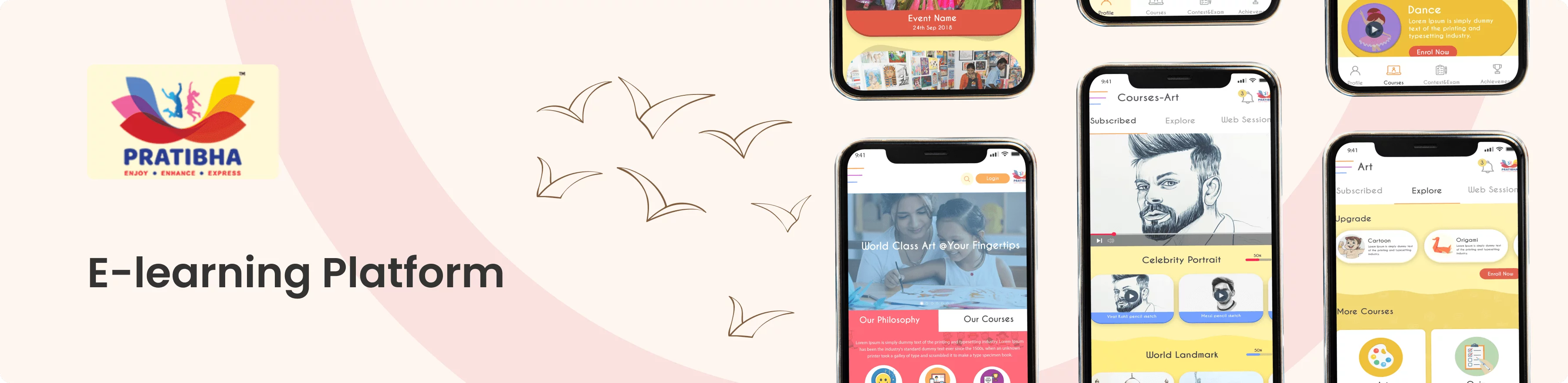
33. E-learning App
The old classroom model is gone for good. What’s here instead? Expert‑led courses, real progress tracking, and a supportive learning community that fits into life instead of disrupting it.
Why it works: People are hungry to learn but short on time. An app that adapts to their pace and makes progress feel visible turns casual interest into a genuine learning habit.
Monetisation angle: Freemium model with premium course access, instructor revenue sharing, and B2B corporate subscriptions for team upskilling.
Intelegain highlights that scalable EdTech apps are built around consistency. Prioritising personalised learning experiences and progress tracking drives better retention than content-heavy platforms. An EdTech app that truly works for learners does not happen by accident – it is designed that way from the very first decision. Let’s design yours together.
34. Smart LMS App with Advanced Analytics
Ticking a course off a list is easy. Knowing whether it made any difference is the hard part. This one can track engagement patterns, measure real outcomes, and giving your team the data to continuously improve how people learn inside your organisation.
Why it works: Finishing a course isn’t proof of learning. What organisations really need is visibility into whether training is translating into performance. A smart LMS with deep analytics bridges that gap and gives L&D teams the intelligence to continuously improve.
Monetisation angle: Tiered SaaS subscription based on user volume, premium analytics add-ons, and B2B enterprise licensing for large organisations and training institutions.
35. Skill Assessment & Job Readiness App
It’s tough to secure a role without a clear sense of your position. This AI-powered app evaluates users across relevant skills, matches them to real job opportunities, and delivers personalised feedback that closes the gap between where they are and where they want to be.
Why it works: Job seekers don’t lack ambition; they are short on direction instead. An app that gives honest, AI-driven skill assessments and connects users directly to recruiters looking for those exact skills creates value on both sides of the hiring equation.
Monetisation angle: Freemium model with premium assessment reports, recruiter subscription plans for talent sourcing, and B2B partnerships with universities and corporate upskilling programmes.
See how we build scalable, learner‑first EdTech apps.
Logistics & Mobility App Ideas for Startups
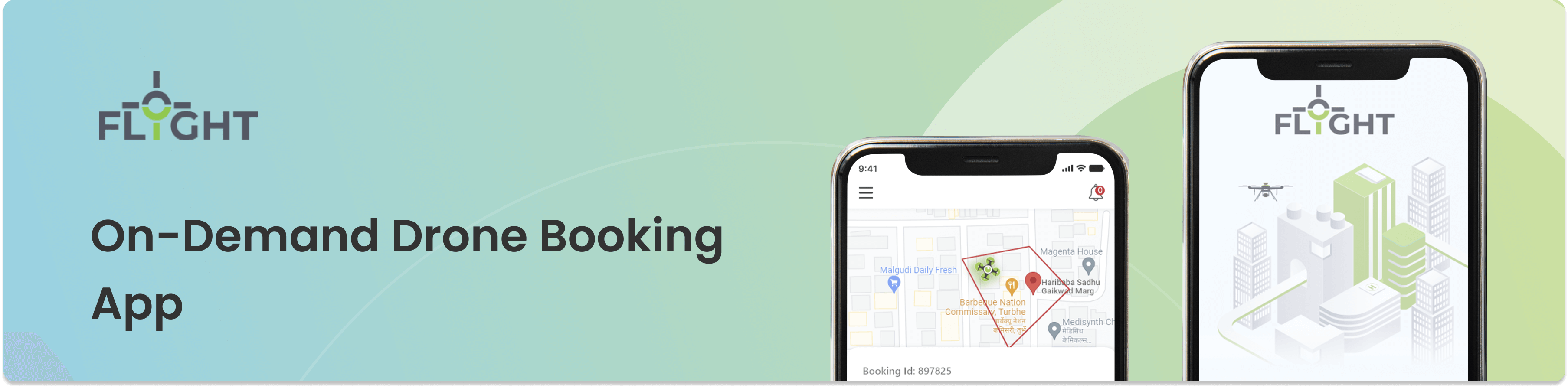
36. Drone Service App
Drone deliveries are not a futuristic concept anymore – they are happening right now, and the gap between early movers and everyone else is closing fast. This app handles the entire drone delivery experience, from scheduling and routing to live tracking, so businesses can offer speed that genuinely surprises their customers.
Why it works: The businesses building drone delivery infrastructure today will not be playing catch-up tomorrow. Speed has become the new standard, and this app puts that capability within reach without starting from scratch.
Monetisation angle: Per-delivery fees, B2B subscription plans for high-volume shippers, and premium express delivery tiers for time-sensitive orders.
37. Container Tracking App
Ask any importer where their shipment is right now and watch the hesitation. For most businesses, container tracking still means emails, phone calls, and hoping someone on the other end has an answer. This app changes that completely – giving every stakeholder live visibility into their cargo, wherever it is in the world.
Why it works: A supply chain you cannot see is a supply chain you cannot trust. Real-time container tracking is quickly becoming the bare minimum that serious logistics operations expect from their partners.
Monetisation angle: SaaS subscription based on container volume, enterprise plans for freight forwarders, and premium alert features for customs and compliance tracking.
38. Goods-transporter (logistics) App
The freight industry runs on relationships, phone calls, and a lot of back-and-forth that nobody really enjoys. This app cuts through all of that. It connects businesses with verified transporters in real time, matching loads to capacity, and tracking every shipment from the moment it leaves until it lands.
Why it works: Digitizing freight booking is not just about convenience. It is about giving businesses the kind of transparency and control over their supply chain that a phone call simply cannot provide.
Monetisation angle: Commission per transaction, premium listings for transporters, and subscription plans for businesses with regular high-volume shipping needs.
39. On-demand Fuel Delivery App
Running out of fuel is never planned. Whether it is a vehicle on the side of the road, a fleet sitting idle at a depot, or a generator at a job site, this app gets fuel to wherever it is needed – on schedule or on the spot, no pump required.
Why it works: For individuals it is convenience. For fleet operators and industrial users, it is an operational game-changer. Either way, the time saved and the headache avoided makes this one of those ideas that make people wonder why it took so long to exist.
Monetisation angle: Per-delivery margin on fuel, subscription plans for fleet operators, and surge pricing during peak demand periods.
Intelegain emphasizes that logistics apps succeed when real-time accuracy is flawless from day one. Early-stage MVPs should focus on reliable mapping, tracking, and dispatch rather than investing heavily in UI. If you have a logistics or mobility idea worth pursuing, the smartest move is understanding what it will actually take to build it right – before the budget gets committed. Let’s find out.
40. Railway Tracking App
Timetables rarely match reality. This app delivers live train positions, delay alerts, platform changes, and journey planning that adapts as trains move.
Why it works: Rail information is still scattered across too many sources, most of which are not updated in real time. One app that brings it all together in a format people can actually use solves a daily frustration for millions of commuters and logistics teams alike.
Monetisation angle: Freemium model with premium journey alerts, B2B subscription for logistics companies tracking freight trains, and in-app advertising from travel and hospitality partners.
41. Real-time Car-sharing App
A real-time car-sharing app allows the user to enlist their car and put in the destination as to where they are going. Another user on the app who is going the same way can put in their destination and find the users with cars who are going in the same direction. In the end they can split costs.
Why it works: The shift from ownership to access is not just a trend – it is reshaping how cities move. A car-sharing app that is genuinely fast and reliable is exactly what that shift needs to feel practical rather than idealistic.
Monetisation angle: Per-minute or per-hour usage fees, monthly membership plans, and B2B fleet partnerships with corporate mobility programmes.
42. Parking Space Finder App
Anyone who has driven around a busy area looking for parking knows how quickly those twenty minutes turn into something far more frustrating than they should be. This app shows real available spots nearby, lets users reserve ahead of time, and handles the payment before they even start the engine.
Why it works: Parking is one of those everyday problems that feels small until you are stuck in it. An app that genuinely solves it – not just partially, but from search to payment – has a built-in audience in every city it launches in.
Monetisation angle: Per-booking commission, subscription plans for frequent parkers, and B2B partnerships with parking lot operators and real estate developers.
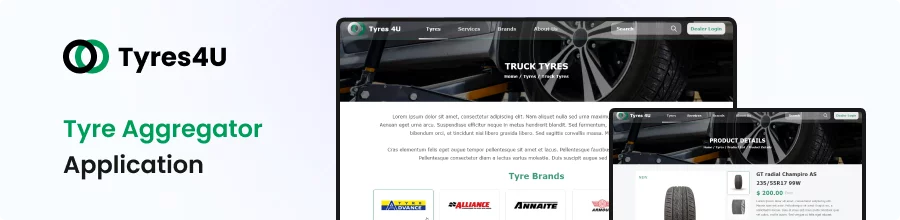
43. Tire Aggregator Application
Buying tyres is one of those purchases most people dread – confusing specs, inconsistent pricing, and no easy way to compare. This app brings all of that into one place, pulling live options from multiple vendors, showing real prices side by side, and connecting users to the nearest fitment centre once they have decided.
Why it works: The tyre market is large, fragmented, and still mostly offline. An app that brings clarity and convenience to a category that has barely been touched digitally has a clear runway and very little competition standing in the way.
Monetisation angle: Vendor listing fees, commission per sale, and premium placement for tyre brands wanting visibility at the moment of purchase intent.
44. Bike Servicing App
A doorstep bike servicing platform and application designed for the convenience of two-wheeler owners by leveraging technology to provide a seamless and transparent connection with top-quality vehicle maintenance providers. The platform offers assisted doorstep pick-up and drop-off, features an in-built inventory management system to reduce waiting times, ensures smarter stock allocation, and includes an efficient order management system, etc.
Monetisation angle: Commission per service booking, subscription plans for regular maintenance schedules, and B2B partnerships with bike manufacturers and spare parts suppliers.

Get a feasibility check for your logistics or mobility app.
Marketplace & Commerce App Ideas for Startups
45. B2B Procurement Marketplace App
Procurement still runs on emails, old supplier contacts, and gut feeling. This app changes that – connecting businesses with verified suppliers, matching them through AI, and giving buying teams the pricing intelligence to stop overpaying before the invoice arrives.
Why it works: For years, B2B buying has lagged behind consumer commerce. Businesses overpay, under-negotiate, and overlook stronger suppliers. Repair discovery, and the entire chain improves.
Monetisation angle: Supplier listing fees, commission per transaction, and premium analytics subscriptions for high-volume procurement teams.
46. Social Commerce & Live Shopping App
Shopping used to be something you did. Now it is something you watch, react to, and buy from in the same breath. This app gives brands a live stage – stream a product, answer questions in real time, and let viewers check out without ever leaving the moment.
Why it works: The gap between discovering a product and buying it has never been smaller. Live shopping collapses it entirely – and the engagement numbers from markets where it has taken off make a very strong case for what is coming everywhere else.
Monetisation angle: Commission per sale, brand subscription plans for regular live selling slots, and premium placement for product launches and flash sales.
47. Subscription Commerce App
Subscriptions are everywhere. Managing them well is another story. This app brings everything under one roof – handling renewals intelligently, spotting churn before it happens, and making sure every subscriber feels like the experience was built just for them.
Why it works: Subscription businesses live and die by retention. An AI that predicts when someone is about to leave and acts on it before they do is not a nice-to-have. It is the difference between a business that scales and one that constantly leaks.
Monetisation angle: SaaS subscription for vendors, transaction fees per renewal processed, and premium AI-driven retention tools for brands with large subscriber bases.
49. Hyperlocal Multi-Vendor Marketplace App
Big marketplaces are great – until you need something today, from someone nearby, in under an hour. This app is built for exactly that moment. Local sellers, real-time inventory, live delivery tracking, and payments that just work.
Why it works: Local commerce has always had the advantage of proximity. What it has always lacked is the infrastructure to make that feel as seamless as ordering from a national platform. This app hands neighbourhood sellers that infrastructure without making it complicated.
Monetisation angle: Commission per order, vendor subscription plans for premium store features, and revenue from last-mile delivery integrations.
From Intelegain’s perspective, marketplace success starts with supply readiness. Prioritising supplier onboarding before focusing on user acquisition leads to more sustainable growth. The ideas that scale are the ones that get stress-tested early – and that is precisely the kind of conversation our team enjoys having. Start that conversation today.
Let’s validate your e‑commerce or marketplace idea fast.
PropTech Innovative App Ideas for Startups
50. Smart Interior Planner with AI
Buying a sofa that does not fit or painting a wall the wrong shade is an expensive mistake most people have made at least once. This app lets users try everything out virtually first, be it furniture, colours, layouts, before spending a penny on any of it.
Why it works: Getting a room right takes more imagination than most people have on a Tuesday evening. An app that does the visualising for you makes the whole process less stressful and a lot more fun.
Monetisation angle: Freemium model with premium design features, affiliate commissions on furniture purchases, and B2B partnerships with home décor retailers.
51. AI Property Investment & ROI Intelligence App
Most property investors still rely on broker opinions and market gut feel. It predicts property appreciation, calculates rental yields, and flags risks – all before you spend a single penny. Every decision is powered by data, not guesswork.
Why it works: Real estate is one of the biggest financial decisions most people make. An app that brings institutional-grade intelligence to individual investors levels a playing field that has always been tilted toward those with the right connections.
Monetisation angle: Freemium model with premium portfolio analytics, subscription plans for active investors, and B2B licensing for real estate agencies and wealth management firms.
52. Augmented Reality App that Helps You Design Your Room
The challenge with furniture? It fits the store, but not always your home. This app removes that uncertainty entirely, letting users point their phone at any room and place true-to-scale 3D furniture and décor in real space before spending a single penny.
Why it works: Returns cost retailers billions and frustrate buyers endlessly. An AR app that lets people see exactly how a sofa fits, how a colour reads in their lighting, and how a room actually comes together before buying does not just improve the shopping experience – it changes the decision entirely.
Monetisation angle: Affiliate commissions on furniture purchases made through the app, premium design features for interior enthusiasts, and B2B partnerships with furniture retailers and home décor brands wanting an immersive in-app shopping experience.
53. Tenant Finder/Communications App
Finding the right tenant is time-consuming. Managing them afterwards is even harder. This app brings both together – helping landlords list properties, screen applicants, and handle all tenant communication from a single, organised platform.
Why it works: The friction between landlords and tenants usually stems from messy communication. By centralizing everything – from questions to contracts, repairs, and payments – this app turns property management from chaos into clarity.
Monetisation angle: Subscription plans for landlords, premium tenant screening features, and lead generation tools for property managers handling multiple listings.
Plan your PropTech MVP with our product team.
Media & Entertainment App Ideas for Startups
54. AI Personalised Content Streaming App
Nobody wants to spend twenty minutes deciding what to watch. This app learns what a user actually enjoys – not just what they clicked once – and gets better at surfacing the right content every single time they open it.
Why it works: The problem was never a lack of content. It has always been too much of it with no reliable way to cut through. With an app that genuinely knows your taste, people keep coming back to it without even thinking about why.
Monetisation angle: Subscription tiers, revenue sharing with content creators, and targeted in-app advertising based on real viewing behaviour.
55. Creator Monetisation & Fan Engagement App
Building an audience on someone else’s platform is great – until the algorithm changes and half of them disappear. This app gives creators a space that is actually theirs – subscriptions, tips, exclusive drops, live sessions, and a community they own outright.
Why it works: Creators are done being at the mercy of platforms that take the lion’s share and offer very little in return. A direct-to-fan model that puts earnings and relationships in the creator’s hands is exactly where this market is heading.
Monetisation angle: Platform commission on earnings, premium creator tools subscription, and transaction fees on tips and exclusive content purchases.
56. AI Short Video Creation & Editing App
Most people have ideas worth sharing. Most struggle to polish their content. This app cuts footage, adds captions, and creates reels so creators and brands can focus on their message.
Why it works: Short-form video is where attention lives right now, and producing it consistently is genuinely hard without a team behind you. An app that closes that gap opens the door for a much wider pool of creators who are currently sitting on the sidelines.
Monetisation angle: Freemium model with premium editing features, B2B plans for marketing teams, and brand partnership tools for sponsored content creation.
Intelegain points out that simplicity drives adoption in creative apps. Automation in editing and content creation consistently delivers more value than feature-heavy, manual toolsets. A great creative app does not need a hundred features – it needs the right ones, built well and launched fast. That is exactly the kind of problem our team enjoys solving. Start the conversation and get your idea moving.
57. Live Streaming & Social Commerce App
This app puts the store inside the stream. Go live, demo the product, answer questions instantly, and close the sale before the session ends – no redirects, no abandoned carts, no waiting.
Why it works: People buy from people they trust, and nothing builds that trust faster than a live conversation. The conversion rates coming out of live commerce markets that have already adopted this model are hard to argue with.
Monetisation angle: Commission per sale, brand subscription plans for regular live slots, and premium audience engagement tools for high-volume sellers.
TravelTech App Ideas for Startups
58. AI Travel Planning & Booking App
Nobody books a trip hoping to spend hours on it. This app takes a budget, a few preferences, and a timeframe – and builds out a complete itinerary, flights, hotels, and activities included, without the back and forth across fifteen different tabs.
Why it works: People know where they want to go. They just do not want the planning to become the trip. When one app handles everything, travelers rely on it for every trip. An app that handles all of it in one place is one that people will use every single time they travel.
Monetisation angle:Commission on bookings, premium itinerary features, and partnerships with airlines, hotels, and activity providers.
60. Smart Expense & Travel Budgeting App
Travel budgets look great before the trip starts. This app keeps them honest throughout – tracking every spend, converting currencies in real time, splitting costs across the group, and flagging when things are drifting before the damage is done.
Why it works: A financial surprise at the end of a holiday is the last thing anyone wants. An app that stays on top of the numbers so the traveller does not have to earns its place on every phone before every trip.
Monetisation angle: Freemium model with premium budget analytics, travel card partnerships, and corporate travel management plans.
61. AI-Based Dynamic Pricing & Revenue App
Setting prices manually and hoping the market cooperates is a strategy that costs hotels, airlines, and agencies real money every single day. This app watches demand signals, competitor rates, and market shifts in real time. Plus, it tells businesses exactly where their pricing should be before the opportunity passes.
Why it works: Static pricing in a market that moves constantly is just revenue left uncollected. The businesses that price dynamically are consistently pulling ahead, and the gap between them and everyone else is only getting wider.
Monetisation angle: SaaS subscription based on inventory size, performance-based pricing tiers, and enterprise licensing for large travel operators.
62. Hyperlocal Experience & Activity Marketplace App
The best parts of any trip are rarely the ones in the brochure. This app connects travellers with local guides, real experiences, and activities worth having – bookable on the spot with honest reviews from people who actually showed up.
Why it works: Travellers are done with generic packaged tours. They want something that feels like it belongs to the place they are visiting. An app that surfaces those moments on demand is solving something the big travel platforms are simply too broad to get right.
Monetisation angle: Commission per booking, premium listings for local experience providers, and subscription plans for guides managing regular availability.
63. AI Travel Assistant & Support App
Flight delayed. Hotel booking has gone missing. Connection looking tight. This app sorts it out. It makes it possible through chat or voice, on the spot, without anyone sitting on hold waiting for answers that should have been instant.
Why it works: Travel goes sideways at the worst possible moments. What travellers remember is not the disruption – it is whether someone actually helped them through it quickly. An app that does that consistently is one they will – not travel without.
Monetisation angle: B2B subscriptions for travel agencies and airlines, per-resolution enterprise support fees, and white-label licensing for platforms embedding the assistant.
64. Best Vacation Spot Finder App
Choosing where to go is honestly the hardest part of any holiday. Well, this app makes it easy. You just have to set your budget, timeframe, and trip type, and the app suggests destinations that truly fit you, not just what’s trending.
Why it works: Most people end up going to the same places because finding something different feels like too much work. An app that does that thinking for you turns a stressful decision into something people actually enjoy.
Monetisation angle: Affiliate commissions on bookings, premium features for frequent travellers, and partnerships with tourism boards and travel agencies.
Intelegain believes that travel apps succeed when they simplify user choices. Platforms that combine smart recommendations with automated itineraries achieve higher retention than those focused only on discovery. If you have a TravelTech idea that puts the traveller’s experience first, the fastest way to know if it is ready to build is a quick, focused conversation with people who have done it before. 30 minutes is all it takes to find out.
GreenTech Innovative App Ideas for Startups
65. Sustainable Living Coach
Most of us mean well when it comes to living greener. The problem is nobody handed us a practical roadmap for how to actually do it between work, family, and everything else. This app fills that gap quietly. It does so through nudging habits, suggesting changes that are actually doable, and showing progress that makes the effort feel worth it.
Why it works: People do not need another app telling them the planet is in trouble. They need one that helps them do something about it without turning their life upside down. That balance is exactly what makes this one stick.
Monetisation angle: Freemium model with premium habit tracking, partnerships with sustainable brands, and B2B plans for corporates running employee sustainability programmes.
66. Re-cycle Helper App
Hand on heart – most of us are guessing when it comes to recycling. Is this plastic recyclable? Which bin does this go in? This app ends the guessing for good. Scan the item, get a clear answer, and move on with your day.
Why it works: The recycling system is genuinely confusing, and that confusion is why so much ends up in the wrong place. An app that gives a straight answer at the right moment does not need to convince anyone – it just needs to be there when the question comes up.
Monetisation angle: Freemium model with premium waste tracking, partnerships with recycling programmes, and B2B plans for municipalities and waste management companies.
67. Eco-Friendly Commute Planner
Most people pick their commute route once and never think about it again. This app gives people a reason to look twice by showing greener alternatives that are just as practical. It also highlights the real environmental impact each choice makes over time.
Why it works: Switching to a greener commute is rarely about motivation. It is about not knowing what the better option looks like on a Tuesday morning when you are already running late. Make that easy, and most people will naturally make the better choice.
Monetisation angle: Freemium model with premium commute insights, B2B corporate sustainability plans, and partnerships with public transport operators and cycling platforms.
GreenTech ideas grow when they blend habit building with real-time feedback. Users stay engaged when the app shows small, measurable wins that compound over time.
Kickstart your sustainability app with a feasibility review.
Social Networking App Ideas for Startups
68. Interest-Based Community App
There is a big difference between having followers and actually finding your people. This app is built for the second one. It connects users around the things they genuinely care about, not just who they already know or what is trending this week.
Why it works: On major social platforms, posting often feels like yelling into the void. People are quietly moving toward smaller spaces where the conversation actually means something and the people in the room have a real reason to be there. This app is built exactly for that shift.
Monetisation angle: Freemium model with premium community features, brand partnerships for niche audience access, and subscription plans for community creators managing engaged groups.
69. AI Mental Wellness & Anonymous Support Community App
Not every feeling needs a therapist. Sometimes it just needs somewhere safe to land. This app offers a safe, anonymous space to open up. Users can share thoughts, follow their mood, and connect with people who get it. No names. No judgment. No pressure.
Why it works: Nowadays, people are more open about mental health than ever before, but truly safe spaces to talk about it are still surprisingly hard to find. An app that puts privacy and peer connection at the centre, rather than likes and visibility, is something a lot of people have been quietly looking for.
Monetisation angle: Freemium model with premium wellness features, B2B corporate mental wellness plans, and partnerships with licensed therapists for professional support referrals.
Community apps scale when they match people around shared intent, not demographics. Strong engagement always comes from common goals or common challenges.
Validate your social/community app concept with our team.
Utilities Productivity App Ideas for Startups
70. AI Personal Productivity Assistant App
Some days the to-do list wins. This app makes sure that happens a lot less often. It helps manage tasks, schedules, and reminders quietly in the background, so nothing important gets dropped when things get busy.
Why it works: The problem was never motivation, but rather having a system that actually keeps pace with real life. An assistant that thinks ahead and nudges at the right moment feels less like a tool and more like having someone reliable in your corner.
Monetisation angle: Freemium model with premium automation features, B2B team productivity plans, and enterprise tool integrations.
71. Smart Document Management & Automation App
Spending ten minutes looking for a file that should take ten seconds to find is the kind of thing that quietly ruins a workday. This app keeps documents organised, pulls out what matters automatically, and handles the processing that nobody should be doing by hand.
Why it works: The paperwork problem in most businesses is not about volume. It is about the time lost managing it manually instead. An app that takes that off the table gives people back hours they did not even realise were being taken.
Monetisation angle: SaaS subscription based on document volume, enterprise plans for large teams, and premium workflow automation add-ons.
72. Team Collaboration & Workflow Automation App
At some point, every growing team hits the wall – too many tools, too many threads, and nobody quite sure what the current status of anything is. This app puts tasks, approvals, and conversations in one place and handles the handoffs that usually go quiet.
Why it works: Hybrid work made it clear very quickly that most collaboration setups were not built for it. Teams that consolidate into one organised system spend less time chasing and more time actually getting things done.
Monetisation angle: Per-seat subscription model, enterprise licensing, and premium workflow automation add-ons.
73. AI Meeting Assistant & Summarization App
A one-hour meeting should not mean another hour of notes, follow-ups, and trying to remember who said what. This app records, transcribes, pulls out the decisions, and sends the action items before anyone has had time to forget them.
Why it works: The meeting itself is rarely a problem. Everything that needs to happen after it is where the time goes. An app that handles all of that automatically is one that people wonder how they ever managed without.
Monetisation angle: Freemium model with premium transcription features, B2B team plans, and enterprise licensing for high-volume meeting environments.
74. Focus & Deep Work Optimization App
Staying focused has quietly become one of the hardest parts of a working day, and most people feel it even if they do not talk about it. This app tracks where attention is actually going, cuts out what is pulling it away, and helps build a rhythm that makes deep work feel possible again.
Why it works: Nobody needs another article about focus. They need something that actually changes the environment around them without requiring a lot of effort to set up. That is the gap this fills, and it is a big one.
Monetisation angle: Freemium model with premium focus analytics, B2B workplace wellness plans, and partnerships with productivity tool ecosystems.
Productivity apps win by removing decisions for users. Automated reminders, smart suggestions, and minimal steps drive much higher adoption than feature-heavy dashboards.
See how quickly your productivity app can go to market.
GovTech & Safety App Ideas for Startups
75. AI Citizen Grievance & Service Request App
Months after reporting, the pothole is still there. A utility complaint was filed, never acknowledged. People don’t give up because they stop caring; they give up because follow‑ups feel pointless. This app fixes that by logging issues, routing them to the right department, and keeping citizens updated until action is taken.
Why it works: Public trust in government services often comes down to one thing – feeling heard. An app that acknowledges a complaint instantly and tracks it through to resolution does more for that relationship than any public campaign ever could.
Monetisation angle: Government licensing contracts, SaaS subscription for municipal bodies, and premium analytics dashboards for authorities tracking service delivery performance.
76. Smart Emergency Response & SOS App
In a real emergency, fumbling through a phone to find the right number is time nobody has. One tap on this app shares live location, alerts emergency services, and notifies trusted contacts simultaneously – so help is already on its way before anyone has had to explain a thing.
Why it works: Emergency response time saves lives, and right now too much of that time is lost in the gap between something happening and the right people knowing about it. An app that closes that gap instantly is one that genuinely matters.
Monetisation angle: B2G licensing for government and emergency services, B2B plans for corporate safety programmes, and freemium model with premium family safety features.
77. Digital Identity & Document Wallet App
Carrying a folder of photocopies to every government appointment is the kind of thing that should have stopped being necessary years ago. This app stores verified IDs, certificates, and documents securely in one place – shareable instantly, accepted officially, and accessible whenever they are needed.
Why it works: Digital governance is moving fast and the demand for paperless verification is coming from both sides – citizens who are tired of the friction and institutions that need faster, more reliable ways to confirm identity.
Monetisation angle: Government licensing, B2B verification partnerships with banks and institutions, and premium security features for high-sensitivity document storage.
78. AI Traffic & Public Safety Monitoring App
Traffic management still relies heavily on systems that react after the problem has already happened. This app puts real-time data in the hands of authorities – monitoring flow, flagging violations, predicting bottlenecks, and giving city planners something they can actually act on before rush hour becomes gridlock.
Why it works: Smart cities are not just a concept anymore; they are being built right now, and the infrastructure decisions being made today will define how millions of people move through urban spaces for decades. Real-time traffic intelligence is not optional in that picture.
Monetisation angle: Government and smart city licensing contracts, SaaS subscription for traffic authorities, and data analytics partnerships with urban planning bodies.
79. Disaster Management & Early Warning App
When a flood warning comes through on a general news alert, half the people it affects either miss it or do not realise it applies to them. This app sends targeted alerts based on exact location, provides clear evacuation routes, and keeps updating as the situation changes – giving people the specific information they need at the exact moment they need it.
Why it works: Disaster preparedness has always suffered from the same problem, that is, generic information reaching people too late. An app that is personal, location-aware, and genuinely real-time changes outcomes in ways that traditional alert systems simply cannot.
Monetisation angle: Government and civil defence licensing, B2B plans for disaster response organisations, and freemium model with premium household safety planning features.
GovTech and safety apps must be designed for reliability first. A simple, dependable workflow outperforms sophisticated features in high‑stress user scenarios.
Discuss your GovTech or safety app idea with our experts.
Lifestyle Mobile App Ideas for Startups
80. AI Relationship & Communication Coach
Most relationship problems are not really about feelings – they are about not knowing how to say the right thing at the right moment. This app helps with exactly that, spotting communication patterns that create friction and offering practical guidance that makes difficult conversations feel a lot less daunting.
Why it works: Communication is a skill most people were never taught. Be it a tough dialogue at home or a strained exchange at work, having a guide to ease the tension is something many crave but seldom admit.
Monetisation angle: Freemium model with premium coaching features, couples and team plans, and B2B partnerships with HR platforms offering workplace communication training.
Lifestyle apps see the highest retention when they personalize daily micro‑interactions. Consistency, subtle guidance, and useful nudges keep users engaged long‑term.
Conclusion
The apps that take off in 2026 will not be the ones with the longest feature lists. They will be the ones that solve a real problem, launch before they feel ready, and get better with every round of feedback from actual users.
If you have an idea sitting in your notes that deserves more than that, now is a good time to do something about it. Working with the right AI consulting company means you are not figuring it out alone – you have people who have done this before in your corner from day one. Partner with us and let’s turn that idea into something worth downloading.
Discuss your app idea with Intelegain’s product and engineering team. We’ll help you validate it, plan your MVP, and launch within 90–120 days.

FAQs
Some of the best startup app ideas in 2026 include AI-powered productivity tools, AI enabled customer support/service apps, health monitoring applications, smart travel planners, eco-friendly lifestyle apps, and logistics automation platforms. Apps that use AI, automation, and personalization tend to attract users faster because they improve convenience and efficiency.
You can validate an app idea by conducting market research, analyzing competitors, creating a landing page, running surveys, and launching a simple MVP (Minimum Viable Product). This helps determine whether people are actually interested in the idea before you even invest & hire a full scale development partner.
The cost of developing a startup mobile app depends on features, design, and development complexity. A basic MVP may cost between $10,000 and $40,000, while advanced apps with AI, real-time features, or integrations can cost $50,000 or more.
Industries with strong growth potential include healthcare, fintech, logistics, education, travel, and AI tools. These industries are rapidly adopting digital solutions, creating opportunities for innovative mobile applications.
Yes, many successful startup founders are non-technical. They usually outsource development, partner with an agency, or use no-code platforms to build their app. The key focus should be on the business idea, user needs, and marketing strategy.
Developing a basic MVP app usually takes 3–6 months, depending on complexity and team size. More advanced applications with integrations, AI features, or multiple platforms may take 6–12 months or longer.


Let's discuss your app idea with our experts!